
Home/Landscaping Cost Guide
Cost guide
What does landscapingcost in West Seneca?
Every yard is different, so the honest answer is: it depends on your yard. Here is exactly what it depends on, so you know what to expect before Patrick comes out.
What goes into it
Six things that decide the cost.
Size of the area
More square footage means more material and more hours. A front foundation bed and a full backyard renovation are very different jobs, even when the work is the same kind.
Condition of the yard
A bed that has been maintained every season is quicker to clean up than one that has been let go for years. Overgrown shrubs, deep leaf cover and weeds that have taken over all add labor.
Access
Whether equipment can get into the backyard, or everything has to go through a gate by hand, changes how long a job takes.
Materials
Mulch type, plant sizes and varieties, sod versus seed, stone, pavers and edging all vary. We walk you through the options so you can choose what fits.
Grading and drainage
If water sits where it shouldn't, or the ground needs reshaping before anything goes in, that prep work comes first and is part of the job.
Removal and disposal
Tearing out old shrubs, stone or sod, and hauling away leaves and debris, is its own piece of the work.
Service by service
What moves the number for each job.
Fall & spring cleanups
How many beds, how many leaves, how much is being cut back, and how much debris has to be hauled away.View →02Fall planting
The number and size of plants, the bed prep they need, and whether old plantings are coming out first.View →03Mulching
Total bed area, the depth you want, the type and color of mulch, and whether beds need edging and weeding first.View →04Shrub & hedge trimming
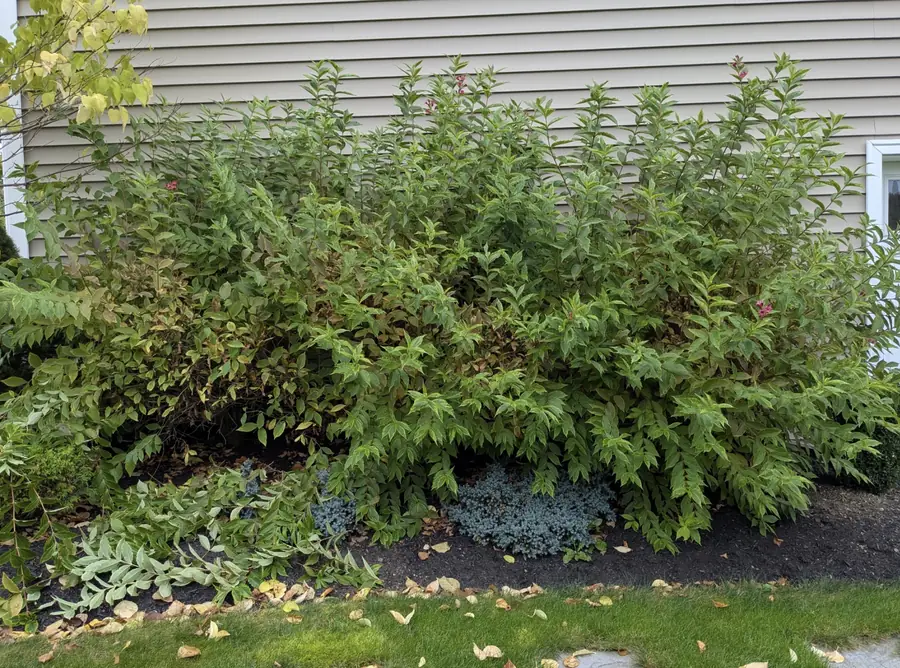
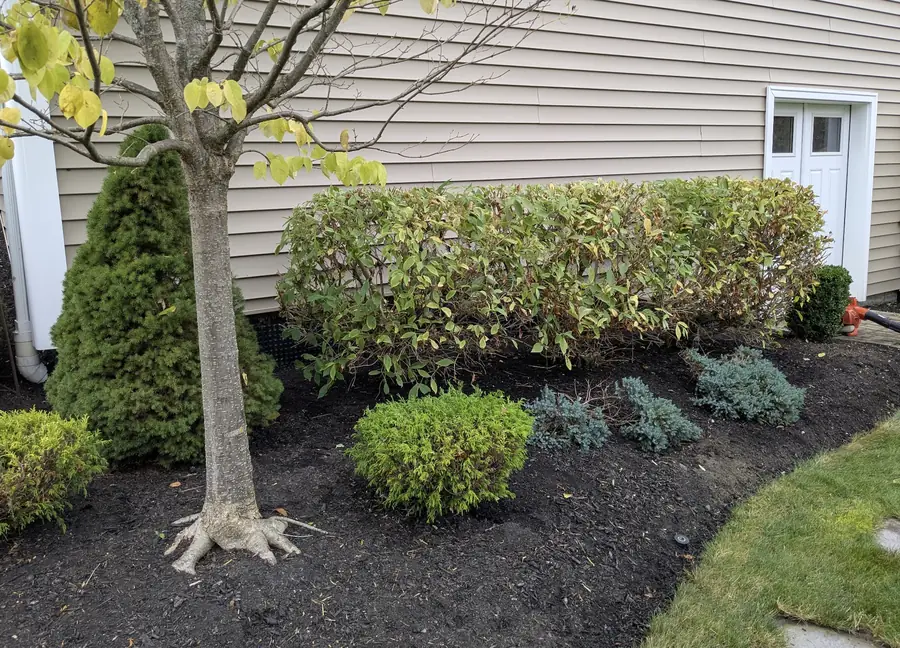
How many shrubs, how tall, and how long since they were last trimmed. Overgrown shrubs take more work to bring back.View →05Seeding & sod
Lawn size, seed or sod, and how much grading and topsoil the ground needs first.View →06Design & installation
The scope of the plan, the plants and materials chosen, and how much of the existing landscape is changing.View →07Hardscaping
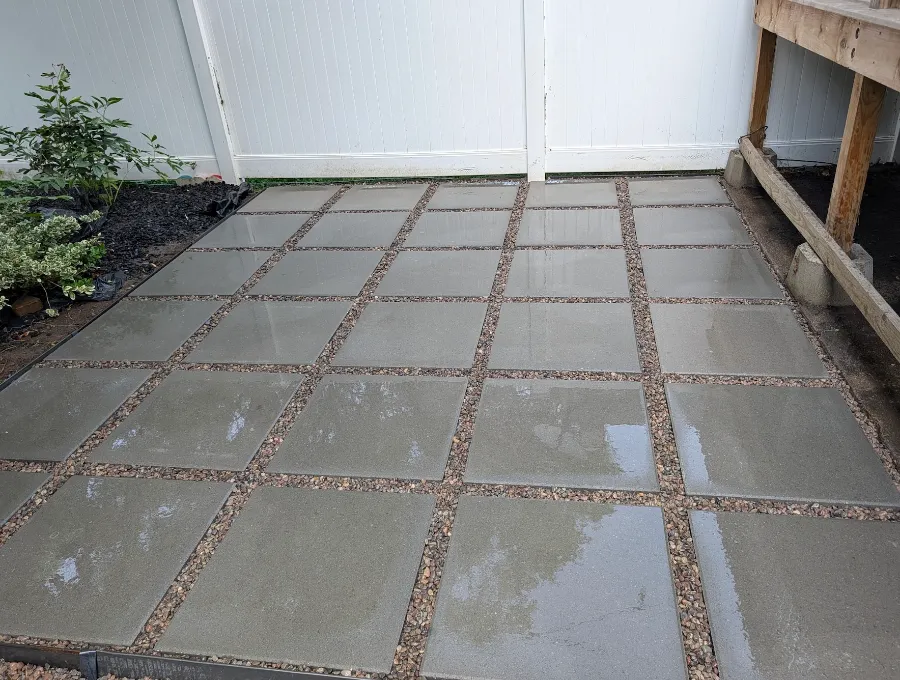
Patio or wall size, the stone or pavers you choose, and the base preparation underneath.View →08Yard grading
The area being graded, how much the ground needs to move, and what it is finished with afterward.View →09Lawn repair after sewer work
The length and width of the trench, how much it has settled, and seed or sod to finish.View →10Ongoing maintenance
Property size, how often you want visits, and which tasks are included through the season.View →Your free estimate
A real number for your yard.
Send the form or call (716) 671-4971. Patrick comes out, looks at the property, talks through what you want and the options, and gets back to you with an estimate for your project. No cost and no obligation.
Planning something bigger? The West Seneca homeowner's guide covers design, installation and year-round care.
 BeforeAfter
Get more out of your budget
Timing matters.
Plant in the fall
Plants set in the fall root in while the soil is still warm and come into spring already established, so fewer of them struggle through their first summer.
Clean up before winter
Leaves and debris left on the lawn all winter can leave fungus and dead spots to repair in spring. A fall cleanup now can save lawn work later.
Keep up with it
Regular maintenance keeps beds and shrubs from getting to the point where they need a full renovation.
Plan big projects early
Talking through a spring project over the fall gives time to plan the design and materials without rushing, and gets you on the schedule early.
Cost questions
Straight answers.
How much does landscaping cost in West Seneca?
It depends on the size of the area, the condition of the yard, access, materials and how much prep and removal is involved. The quickest way to a real number for your property is a free estimate.
Is the estimate free?
Yes. Consultations and estimates are free, so you can see your options before committing to anything.
Why does an overgrown yard cost more to clean up?
More growth, more leaves and more debris all mean more labor and more to haul away. Keeping up with seasonal cleanups is usually the more economical route.
Is it better to plant in the fall or the spring?
Fall is one of the best times to plant in Western New York. Roots keep growing in the warm soil while cooler air means less stress on the plant, so it is established by spring.
Fall 2026
Plant this fall. Thank yourself in spring.
Roots grow in warm fall soil while cooler air takes the stress off new plants. It is also the time to cut back perennials and grasses, trim overgrown shrubs and get the leaves off the lawn before winter. More in our guide to the best time to landscape in Western New York.